A Journey Into Homestead Farm Names
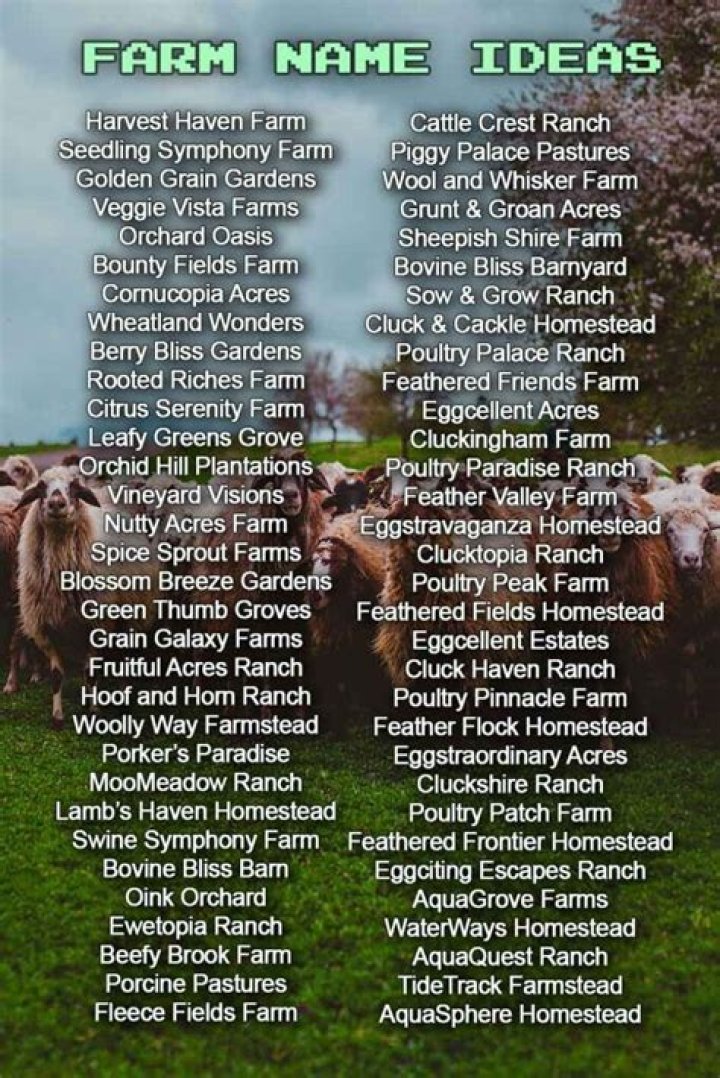
Homestead farm names are the names given to farms that are owned and operated by a single family. These names often reflect the values and aspirations of the family that owns the farm, and they can also serve as a way to market the farm's products.
There are many different factors that can influence the choice of a homestead farm name. Some families choose to name their farm after the location of the farm, while others choose to name it after the family's surname. Still other families choose to name their farm after a particular value or aspiration that is important to them. For example, a family that values sustainability might choose to name their farm "Eco-Haven Farm," while a family that values community might choose to name their farm "Neighborly Acres."
Homestead farm names can be a source of pride for the families that own them. They can also serve as a way to connect with other farmers and consumers who share similar values.
Homestead Farm Names
Homestead farm names are an important part of the homesteading lifestyle. They can reflect the values, aspirations, and history of the family that owns the farm. Homestead farm names can also be a source of pride and identity for the family.
- Tradition: Homestead farm names are often passed down from generation to generation, reflecting the family's history and connection to the land.
- Identity: Homestead farm names can help to create a sense of identity for the family that owns the farm, and can also be a way to connect with other farmers and consumers who share similar values.
- Marketing: Homestead farm names can be a valuable marketing tool, helping to promote the farm's products and services.
- Creativity: Homestead farm names can be a way for families to express their creativity and individuality.
- History: Homestead farm names can provide a glimpse into the history of the farm and the family that owns it.
- Legacy: Homestead farm names can be a lasting legacy for the family that owns the farm, and can be a source of pride for generations to come.
- Community: Homestead farm names can help to create a sense of community among farmers and consumers who share similar values.
- Sustainability: Homestead farm names can reflect the family's commitment to sustainable farming practices.
In conclusion, homestead farm names are an important part of the homesteading lifestyle. They can reflect the values, aspirations, and history of the family that owns the farm. Homestead farm names can also be a source of pride and identity for the family, and can be a valuable marketing tool. When choosing a homestead farm name, it is important to consider the factors that are most important to the family, and to choose a name that will reflect the family's values and goals.
Tradition
The tradition of passing down homestead farm names from generation to generation is a testament to the deep connection that families have to their land and their history. For many families, the homestead farm is more than just a place to live and work; it is a symbol of their heritage and a source of pride.
- Sense of Place: Homestead farm names often reflect the unique characteristics of the land itself. For example, a farm located in a valley might be named "Valley View Farm," while a farm located near a river might be named "Riverbend Farm."
- Family History: Homestead farm names can also provide a glimpse into the history of the family that owns the farm. For example, a farm that has been in the same family for several generations might be named after the family's patriarch or matriarch.
- Cultural Heritage: Homestead farm names can also reflect the cultural heritage of the family that owns the farm. For example, a farm that is owned by a family of German descent might be named "Schmidt's Farm," while a farm that is owned by a family of Irish descent might be named "O'Brien's Farm."
- Sense of Identity: Homestead farm names can provide a sense of identity for the family that owns the farm. For many families, the homestead farm is a place where they can feel connected to their past and to their future.
The tradition of passing down homestead farm names from generation to generation is a beautiful way to honor the family's history and connection to the land. Homestead farm names are a reminder that the land is not just a commodity, but a source of life and a source of pride.
Identity
Homestead farm names are more than just a way to identify a property. They are also a reflection of the family's values, aspirations, and connection to the land. A well-chosen homestead farm name can help to create a sense of identity for the family and can also be a way to connect with other farmers and consumers who share similar values.
- Sense of Place: Homestead farm names often reflect the unique characteristics of the land itself. For example, a farm located in a valley might be named "Valley View Farm," while a farm located near a river might be named "Riverbend Farm." These names help to create a sense of place and connection to the land.
- Family Values: Homestead farm names can also reflect the values of the family that owns the farm. For example, a family that values sustainability might choose to name their farm "Eco-Haven Farm," while a family that values community might choose to name their farm "Neighborly Acres." These names help to communicate the family's values to others.
- Connection to Others: Homestead farm names can also be a way to connect with other farmers and consumers who share similar values. For example, a family that is interested in organic farming might choose to name their farm "Organic Acres Farm." This name would help to connect them with other organic farmers and consumers who share their interest in organic farming.
In conclusion, homestead farm names are more than just a way to identify a property. They are also a reflection of the family's values, aspirations, and connection to the land. A well-chosen homestead farm name can help to create a sense of identity for the family and can also be a way to connect with other farmers and consumers who share similar values.
Marketing
Homestead farm names can be a valuable marketing tool for several reasons. First, a well-chosen homestead farm name can help to create a strong brand identity for the farm. This can help to attract customers and build loyalty. Second, a homestead farm name can be used to communicate the farm's values and mission to potential customers. This can help to attract customers who share the farm's values and who are interested in supporting its mission. Third, a homestead farm name can be used to promote the farm's products and services. This can be done through marketing materials such as brochures, website, and social media.
For example, a homestead farm that sells organic produce might choose to name itself "Organic Acres Farm." This name would help to communicate the farm's commitment to organic farming and would be likely to attract customers who are interested in buying organic produce. Another example is a homestead farm that offers educational programs about sustainable farming practices. This farm might choose to name itself "Sustainable Acres Farm." This name would help to communicate the farm's mission of educating people about sustainable farming practices and would be likely to attract people who are interested in learning more about sustainable farming.
In conclusion, homestead farm names can be a valuable marketing tool for several reasons. They can help to create a strong brand identity for the farm, communicate the farm's values and mission to potential customers, and promote the farm's products and services. When choosing a homestead farm name, it is important to consider the farm's values, mission, and target market. By carefully considering these factors, you can choose a name that will help to promote your farm and its products and services.
Creativity
Homestead farm names are often more than just a way to identify a property. They are also a reflection of the family's values, aspirations, and connection to the land. As a result, homestead farm names can be a way for families to express their creativity and individuality.
There are many different ways that families can use homestead farm names to express their creativity and individuality. Some families choose to use names that reflect the unique characteristics of their farm, such as its location, size, or type of farming that is practiced. For example, a family that owns a farm in a valley might name their farm "Valley View Farm," while a family that owns a large farm might name their farm "Big Sky Farm." Other families choose to use names that reflect their family's values or heritage. For example, a family that values sustainability might name their farm "Eco-Haven Farm," while a family with a strong German heritage might name their farm "Schmidt's Farm."
No matter how they are chosen, homestead farm names can be a source of pride and identity for the family that owns the farm. They can also be a way to connect with other farmers and consumers who share similar values. In conclusion, homestead farm names are more than just a way to identify a property. They are also a reflection of the family's values, aspirations, and connection to the land. Homestead farm names can also be a way for families to express their creativity and individuality.
History
Homestead farm names are often passed down from generation to generation, reflecting the family's history and connection to the land. These names can provide valuable insights into the farm's past and the family's values.
- Family History: Homestead farm names can reveal information about the family's history and origins. For example, a farm named "O'Brien's Farm" suggests that the family is of Irish descent. Similarly, a farm named "Schmidt's Farm" suggests that the family is of German descent.
- Cultural Heritage: Homestead farm names can also provide clues about the family's cultural heritage. For example, a farm named "Casa Grande" suggests that the family is of Spanish descent. Similarly, a farm named "Little Italy Farm" suggests that the family is of Italian descent.
- Historical Events: Homestead farm names can sometimes provide insights into historical events that have affected the farm or the family. For example, a farm named "Civil War Farm" might have been the site of a Civil War battle. Similarly, a farm named "Dust Bowl Farm" might have been affected by the Dust Bowl of the 1930s.
- Agricultural History: Homestead farm names can also provide information about the history of agriculture in the area. For example, a farm named "Dairy Farm" suggests that the farm was once used for dairy farming. Similarly, a farm named "Apple Orchard Farm" suggests that the farm was once used to grow apples.
In conclusion, homestead farm names can provide valuable insights into the history of the farm and the family that owns it. These names can reveal information about the family's history, cultural heritage, and connection to the land. They can also provide insights into historical events and the history of agriculture in the area.
Legacy
A homestead farm name is more than just a name; it is a legacy. It is a reflection of the family's values, history, and connection to the land. A well-chosen homestead farm name can be a source of pride for generations to come.
There are many reasons why a homestead farm name is important. First, it can help to create a sense of identity for the family. A name that reflects the family's values and aspirations can help to unite the family and give them a sense of purpose. Second, a homestead farm name can help to connect the family to the land. A name that reflects the unique characteristics of the farm can help to create a sense of place and belonging. Third, a homestead farm name can be a way to pass on the family's history to future generations. A name that has been passed down from generation to generation can help to tell the story of the family's journey.
There are many different ways to choose a homestead farm name. Some families choose to use a name that reflects the location of the farm, such as "Hilltop Farm" or "Valley View Farm." Other families choose to use a name that reflects the family's heritage, such as "O'Brien's Farm" or "Schmidt's Farm." Still other families choose to use a name that reflects the family's values, such as "Peaceful Valley Farm" or "Abundant Harvest Farm."
No matter how it is chosen, a homestead farm name is a valuable asset. It is a legacy that can be passed down from generation to generation, and it is a source of pride for the family that owns it.
Community
Homestead farm names can play an important role in creating a sense of community among farmers and consumers who share similar values. By choosing a name that reflects the farm's values and mission, farmers can attract customers who are interested in supporting their work. This can help to create a loyal customer base and build a strong community around the farm.
For example, a homestead farm that focuses on sustainable farming practices might choose to name itself "Eco-Haven Farm." This name would appeal to consumers who are interested in supporting sustainable agriculture, and it would help to create a community of like-minded people around the farm.
Another example is a homestead farm that offers educational programs about farming and food. This farm might choose to name itself "Learning Farm." This name would appeal to consumers who are interested in learning more about where their food comes from and how to grow their own food. It would also help to create a community of people who are interested in sustainable living.
Homestead farm names can be a powerful tool for building community. By choosing a name that reflects the farm's values and mission, farmers can attract customers who share their values and build a strong community around their farm.
Sustainability
Homestead farm names are often chosen to reflect the values of the family that owns the farm. For many families, sustainability is a core value, and they choose to name their farm in a way that reflects their commitment to sustainable farming practices.
- Environmental stewardship: Many homestead farm names reflect the family's commitment to environmental stewardship. For example, a farm that uses organic farming practices might be named "Organic Acres Farm." Another farm that focuses on sustainable forestry practices might be named "Sustainable Woodlands Farm."
- Community involvement: Some homestead farm names reflect the family's commitment to community involvement. For example, a farm that offers educational programs about sustainable farming practices might be named "Learning Farm." Another farm that hosts community events might be named "Community Farm."
- Economic viability: Other homestead farm names reflect the family's commitment to economic viability. For example, a farm that sells its products directly to consumers might be named "Farm to Table Farm." Another farm that focuses on value-added products might be named "Artisan Farm."
- Cultural heritage: Some homestead farm names reflect the family's cultural heritage. For example, a farm that is owned by a family of Native American descent might be named "Eagle Feather Farm." Another farm that is owned by a family of Hispanic descent might be named "Hacienda Farm."
Homestead farm names are more than just a way to identify a property. They are also a reflection of the family's values and their commitment to sustainable farming practices. By choosing a name that reflects their values, families can create a sense of identity for their farm and attract customers who share their values.
FAQs on Homestead Farm Names
Homestead farm names hold great significance for families who own and operate these farms. These names often reflect the values, aspirations, and history of the family, and serve various purposes, including identity formation, marketing, and legacy building. Here are answers to some frequently asked questions about homestead farm names:
Question 1: What are the factors to consider when choosing a homestead farm name?When selecting a homestead farm name, families should consider factors such as the farm's location, size, type of farming practiced, family history, cultural heritage, and personal preferences. The name should resonate with the family's values and aspirations, and ideally have a personal connection or meaning.
Question 2: How can a homestead farm name help promote the farm's products and services?A well-chosen homestead farm name can serve as a valuable marketing tool. It can create a brand identity for the farm, communicate its values and mission, and attract customers who share similar interests and values. By incorporating keywords related to the farm's products or services into the name, it can also enhance visibility and searchability online.
Question 3: What are some creative ways to choose a homestead farm name?Families can explore various creative approaches to select a homestead farm name. They can draw inspiration from the farm's unique characteristics, such as its topography, water features, or surrounding flora and fauna. Incorporating cultural or historical elements, family traditions, or personal experiences can also lead to meaningful and memorable names.
Question 4: How can a homestead farm name contribute to a sense of community?Homestead farm names can foster a sense of community by reflecting shared values and goals among farmers and consumers. By choosing names that emphasize sustainability, local food systems, or educational initiatives, farms can attract like-minded individuals who support their mission and contribute to a vibrant local food culture.
Question 5: What are some examples of homestead farm names that reflect the family's heritage?Many homestead farm names showcase the family's cultural heritage and history. For instance, a farm owned by a family of German descent might be named "Schmidt's Farm," while a farm established by a family with Irish roots could be called "O'Brien's Farm." These names honor the family's ancestry and create a connection to their past.
Homestead farm names are not merely labels but symbols of the family's identity, values, and aspirations. They serve as a reminder of the deep connection between families and the land they steward. By carefully considering the factors discussed above, families can choose homestead farm names that resonate with their unique story and contribute to the rich tapestry of rural communities.
Moving forward, we will delve into the significance of homestead farm names in shaping the identity and legacy of farming families.
Tips for Choosing a Homestead Farm Name
Selecting a name for your homestead farm is a significant decision that reflects your family's values, aspirations, and connection to the land. Here are some tips to guide you in choosing a name that will resonate with your homestead's unique identity:
Tip 1: Consider Your Farm's Location and CharacteristicsThe name of your homestead can be inspired by its geographical features, such as a nearby river, mountain, or prominent tree. Consider the natural beauty and unique aspects of your farm when selecting a name that captures its essence.Tip 2: Draw Inspiration from Your Family History and Heritage
Incorporating your family's history or cultural background into the farm name can create a meaningful connection to your past. Consider using family surnames, ancestral traditions, or cultural symbols to reflect your heritage.Tip 3: Choose a Name that Reflects Your Values and Mission
The homestead name should align with your family's values and the purpose of your farm. Whether you prioritize sustainability, community involvement, or educational initiatives, choose a name that conveys your commitment to those ideals.Tip 4: Keep it Simple, Memorable, and Easy to Pronounce
A good farm name should be easy to remember and pronounce. Avoid using overly complex or obscure words that may be difficult for customers or visitors to recall. Strive for a name that rolls off the tongue and leaves a lasting impression.Tip 5: Research Similar Names to Avoid Confusion
Before finalizing your choice, conduct a thorough search to ensure that the name you have selected is not already in use by other farms in your area. This will help prevent confusion and potential legal issues.Tip 6: Consider SEO and Online Presence
In today's digital age, consider incorporating keywords or phrases into your farm name that are relevant to your products or services. This can enhance your online visibility and make it easier for potential customers to find your farm online.Tip 7: Test Your Name with Others
Once you have a few potential names, seek feedback from trusted family members, friends, or neighbors. Their perspectives can provide valuable insights and help you refine your choices until you find the perfect fit.
By following these tips, you can choose a homestead farm name that not only identifies your property but also tells the story of your family, your values, and your commitment to the land.
As you embark on this journey of naming your homestead, remember that the name you choose will become an integral part of your family's legacy. Take your time, consider the various factors discussed above, and select a name that truly reflects the spirit of your homestead.
Conclusion
Homestead farm names are not mere labels; they are emblems of family identity, values, and aspirations. They reflect the deep connection between families and the land they steward, and serve as a testament to their legacy. Choosing a homestead farm name is a significant decision that requires careful consideration.
By exploring the various aspects of homestead farm names, we have gained a deeper understanding of their importance. They can foster a sense of place and identity, connect families to their history and heritage, and serve as a marketing tool to promote the farm's products and services. Homestead farm names can also contribute to a sense of community, bringing together like-minded farmers and consumers who share similar values.
As we move forward, it is important to recognize the enduring significance of homestead farm names. They are more than just names; they are stories waiting to be told. By choosing names that resonate with their values and aspirations, families can create a lasting legacy that will be passed down through generations to come.
Unveiling Patti McGuire's Net Worth: Discoveries And Insights
Unveiling Gary Owen's Net Worth 2022: Discoveries And Insights
Unveiling The World Of Lupillo Rivera Younger: Discoveries And Insights