Unveiling Kenya's Milk Industry: Discoveries And Insights
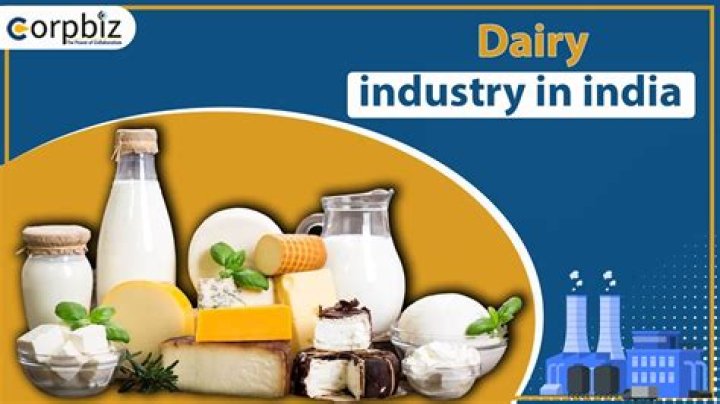
Kenya's milk companies play a vital role in the country's economy and food security. They provide employment to thousands of people and supply milk and dairy products to millions of Kenyans. The industry has a long history in Kenya, dating back to the early 1900s. Today, there are a number of large and small milk companies operating in Kenya, including Brookside Dairy, New KCC, and Githunguri Dairy.
The Kenyan milk industry has faced a number of challenges in recent years, including drought, disease outbreaks, and rising input costs. However, the industry has continued to grow, and Kenya is now one of the leading milk producers in Africa. The growth of the industry has been driven by a number of factors, including increased demand for milk and dairy products, government support, and investment in new technologies.
The Kenyan milk industry is expected to continue to grow in the coming years. This growth will be driven by a number of factors, including population growth, rising incomes, and increased urbanization. The industry is also expected to benefit from continued government support and investment in new technologies.
Kenya Milk Companies
Kenya's milk companies play a vital role in the country's economy and food security. They provide employment to thousands of people and supply milk and dairy products to millions of Kenyans. The industry has a long history in Kenya, dating back to the early 1900s. Today, there are a number of large and small milk companies operating in Kenya, including Brookside Dairy, New KCC, and Githunguri Dairy.
- Production: Kenya is one of the leading milk producers in Africa.
- Processing: Kenya has a number of modern milk processing plants.
- Distribution: Milk and dairy products are distributed throughout Kenya through a network of retailers and distributors.
- Consumption: Kenyans consume a significant amount of milk and dairy products.
- Nutrition: Milk and dairy products are an important source of nutrition for Kenyans.
- Employment: The milk industry provides employment to thousands of Kenyans.
- Economic growth: The milk industry contributes to Kenya's economic growth.
- Food security: The milk industry helps to ensure food security in Kenya.
- Sustainability: The milk industry is committed to sustainability.
- Innovation: The milk industry is constantly innovating to improve its products and services.
These key aspects highlight the importance of Kenya's milk companies to the country's economy, food security, and nutrition. The industry is expected to continue to grow in the coming years, driven by increasing demand for milk and dairy products, government support, and investment in new technologies.
Production
Kenya's position as one of the leading milk producers in Africa is closely tied to the success of its milk companies. The country's favorable climate and abundant agricultural resources provide ideal conditions for dairy farming. Kenyan milk companies have invested heavily in modern dairy farming practices, including improved breeding programs, better animal nutrition, and disease control. As a result, Kenya has been able to increase milk production significantly in recent years.
The growth of the Kenyan milk industry has had a positive impact on the country's economy and food security. The industry provides employment to thousands of people and supplies milk and dairy products to millions of Kenyans. Milk and dairy products are an important source of nutrition for Kenyans, and they also contribute to the country's economic growth.
The success of Kenya's milk companies is a testament to the hard work and dedication of the country's dairy farmers and milk processors. The industry is expected to continue to grow in the coming years, driven by increasing demand for milk and dairy products, government support, and investment in new technologies.
Processing
The connection between "Processing: Kenya has a number of modern milk processing plants." and "kenya milk companies" is significant. Modern milk processing plants are essential for the production of high-quality milk and dairy products. They allow milk companies to pasteurize milk, which kills harmful bacteria, and to process milk into a variety of products, such as cheese, yogurt, and butter. Modern milk processing plants also help to extend the shelf life of milk and dairy products, making them more convenient for consumers.
Kenya's milk companies have invested heavily in modern milk processing plants in recent years. This investment has helped to improve the quality and safety of milk and dairy products in Kenya. It has also helped to increase the availability of milk and dairy products to consumers. The availability of modern milk processing plants has also helped to create jobs and boost the Kenyan economy.
The importance of "Processing: Kenya has a number of modern milk processing plants." as a component of "kenya milk companies" cannot be overstated. Modern milk processing plants are essential for the production of high-quality, safe, and affordable milk and dairy products. They also help to create jobs and boost the economy.
Distribution
The distribution of milk and dairy products throughout Kenya through a network of retailers and distributors is a crucial component of the Kenyan milk industry. This network ensures that milk and dairy products are available to consumers throughout the country. The network of retailers and distributors includes supermarkets, grocery stores, convenience stores, and milk kiosks. Milk and dairy products are also sold directly to consumers by dairy farmers and milk processors.
The efficient distribution of milk and dairy products is essential for the success of the Kenyan milk industry. Milk and dairy products are perishable products, so they must be distributed quickly and efficiently to ensure that they reach consumers in good condition. The network of retailers and distributors in Kenya has been developed over many years to ensure that milk and dairy products are available to consumers throughout the country.
The distribution of milk and dairy products through a network of retailers and distributors also has a positive impact on the Kenyan economy. The network creates jobs and supports businesses throughout the country. The availability of milk and dairy products also helps to improve the nutrition and health of Kenyans.
In conclusion, the distribution of milk and dairy products through a network of retailers and distributors is a vital part of the Kenyan milk industry. This network ensures that milk and dairy products are available to consumers throughout the country, and it also has a positive impact on the Kenyan economy and the nutrition and health of Kenyans.
Consumption
The high consumption of milk and dairy products in Kenya is closely tied to the country's vibrant milk industry. Milk and dairy products are an important part of the Kenyan diet, and they provide essential nutrients to the population. The demand for milk and dairy products has been growing steadily in recent years, driven by population growth, rising incomes, and urbanization. This has led to increased investment in the milk industry, and Kenyan milk companies have been at the forefront of this growth.
- Nutritional Value: Milk and dairy products are an excellent source of protein, calcium, and other essential nutrients. They are an important part of a healthy diet and can help to prevent malnutrition.
- Affordability: Milk and dairy products are relatively affordable in Kenya, making them accessible to a wide range of consumers. This has contributed to the high consumption of milk and dairy products in the country.
- Availability: Milk and dairy products are widely available in Kenya, thanks to the country's well-developed distribution network. This makes it easy for consumers to find and purchase milk and dairy products.
- Cultural Significance: Milk and dairy products have a long history in Kenyan culture. They are often used in traditional ceremonies and rituals, and they are also a popular food item for everyday meals.
The high consumption of milk and dairy products in Kenya is a testament to the success of the country's milk industry. Kenyan milk companies have played a vital role in meeting the growing demand for milk and dairy products, and they have also helped to improve the nutrition and health of the Kenyan population.
Nutrition
The connection between "Nutrition: Milk and dairy products are an important source of nutrition for Kenyans." and "kenya milk companies" is significant. Milk and dairy products provide essential nutrients that are vital for the health and well-being of Kenyans. Kenyan milk companies play a crucial role in ensuring that milk and dairy products are available to consumers throughout the country.
Milk and dairy products are a rich source of protein, calcium, and other essential nutrients. They are particularly important for children, who need these nutrients for proper growth and development. Milk and dairy products can also help to prevent malnutrition, which is a serious problem in Kenya. According to the World Health Organization, malnutrition affects approximately 26% of children in Kenya.
Kenyan milk companies are working to address the problem of malnutrition by providing affordable and nutritious milk and dairy products to consumers. For example, the Brookside Dairy company has a program called the "School Milk Program" which provides milk to school children at a subsidized price. The program has been successful in reducing malnutrition among school children in Kenya.
The availability of affordable and nutritious milk and dairy products is essential for improving the health and well-being of Kenyans. Kenyan milk companies are playing a vital role in ensuring that milk and dairy products are available to consumers throughout the country. The efforts of these companies are helping to reduce malnutrition and improve the health of Kenyans.
Employment
The Kenyan milk industry is a major employer, providing jobs for thousands of Kenyans. This employment has a positive impact on the Kenyan economy and the lives of those employed in the industry.
- Direct employment: Milk companies employ people in a variety of roles, including farmers, milk processors, distributors, and retailers.
- Indirect employment: The milk industry also creates indirect employment opportunities, such as jobs in the transportation, packaging, and marketing of milk and dairy products.
- Economic impact: The milk industry contributes to the Kenyan economy by generating income and creating jobs. This has a positive impact on the overall economic development of the country.
- Social impact: The milk industry provides employment opportunities for Kenyans from all walks of life. This has a positive impact on social cohesion and reduces poverty.
The employment opportunities created by the Kenyan milk industry are essential for the economic and social development of the country. The industry provides jobs for thousands of Kenyans and contributes to the overall economic growth of the country.
Economic growth
The Kenyan milk industry is a significant contributor to the country's economic growth. The industry generates income, creates jobs, and supports other businesses. This has a positive impact on the overall economic development of Kenya.
- Income generation: The milk industry generates income for farmers, milk processors, distributors, and retailers. This income helps to improve the livelihoods of these individuals and their families.
- Job creation: The milk industry provides employment opportunities for thousands of Kenyans. These jobs are essential for the economic well-being of these individuals and their families.
- Support for other businesses: The milk industry supports other businesses, such as those that supply packaging materials, transportation services, and marketing services. This support helps to create a multiplier effect that benefits the entire economy.
The economic growth generated by the Kenyan milk industry has a positive impact on the lives of all Kenyans. The industry provides jobs, generates income, and supports other businesses. This contributes to the overall economic development of the country and improves the livelihoods of all Kenyans.
Food security
Kenya's milk industry plays a vital role in ensuring food security in the country. Milk is a nutritious food that is an important part of the Kenyan diet. The milk industry provides Kenyans with access to affordable and nutritious milk, which helps to improve their overall health and well-being.
- Availability: The milk industry ensures that milk is available to Kenyans throughout the country. Milk is produced by farmers in all parts of Kenya, and it is distributed to consumers through a network of retailers and distributors. This ensures that Kenyans have access to milk regardless of where they live.
- Affordability: The milk industry works to keep milk affordable for Kenyans. Milk prices are regulated by the government, and milk companies offer a variety of discounts and promotions to make milk more affordable for consumers.
- Nutrition: Milk is a nutritious food that is an important part of a healthy diet. Milk is a good source of protein, calcium, and other essential nutrients. The milk industry helps to ensure that Kenyans have access to the nutrients they need to stay healthy.
The milk industry's role in ensuring food security in Kenya is essential. The industry provides Kenyans with access to affordable, nutritious milk, which helps to improve their overall health and well-being. The milk industry also supports the livelihoods of Kenyan farmers and helps to boost the economy.
Sustainability
The Kenyan milk industry is committed to sustainability. This means that milk companies are taking steps to reduce their environmental impact and to ensure the long-term sustainability of the industry. This is important because the milk industry has a significant impact on the environment. Milk production requires a lot of land, water, and energy. It also produces greenhouse gases, which contribute to climate change.
Kenyan milk companies are working to reduce their environmental impact in a number of ways. For example, they are investing in renewable energy sources, such as solar and wind power. They are also working to reduce their water consumption and to improve their waste management practices. In addition, milk companies are working with farmers to improve their farming practices and to reduce their environmental impact.
The commitment of the Kenyan milk industry to sustainability is important for the future of the industry and for the environment. By reducing their environmental impact, milk companies are helping to ensure that the industry can continue to provide Kenyans with affordable, nutritious milk for years to come.
Innovation
Innovation is essential for the success of any industry, and the milk industry is no exception. Kenyan milk companies are constantly innovating to improve their products and services, and this has led to a number of benefits for consumers.
- New products: Kenyan milk companies are constantly developing new products to meet the needs of consumers. For example, in recent years, Kenyan milk companies have introduced new products such as flavored milk, yogurt drinks, and cheese snacks.
- Improved quality: Kenyan milk companies are also constantly working to improve the quality of their products. For example, many Kenyan milk companies have invested in new technologies to improve the safety and quality of their milk.
- Better service: Kenyan milk companies are also working to improve their customer service. For example, many Kenyan milk companies now offer online ordering and delivery services.
- Reduced costs: Kenyan milk companies are also working to reduce their costs. For example, many Kenyan milk companies have invested in new technologies to improve their efficiency.
The innovation of Kenyan milk companies has led to a number of benefits for consumers. Consumers now have access to a wider variety of milk products, higher quality milk products, better customer service, and lower prices.
FAQs on Kenya Milk Companies
This section provides answers to frequently asked questions about Kenya milk companies. These questions address common concerns and misconceptions about the industry, its products, and its impact on Kenya's economy and food security.
Question 1: Do Kenya milk companies use sustainable practices?
Answer: Yes, Kenyan milk companies are committed to sustainability and are taking steps to reduce their environmental impact. This includes investing in renewable energy sources, reducing water consumption, and improving waste management practices.
Question 2: Are Kenya milk companies committed to providing affordable milk to consumers?
Answer: Yes, Kenyan milk companies are committed to making milk affordable for consumers. Milk prices are regulated by the government, and milk companies offer a variety of discounts and promotions to make milk more affordable for consumers.
Question 3: Do Kenya milk companies offer a variety of milk products?
Answer: Yes, Kenyan milk companies offer a wide variety of milk products, including fresh milk, powdered milk, flavored milk, yogurt, and cheese. This allows consumers to choose the milk products that best meet their needs.
Question 4: Are Kenya milk companies investing in innovation?
Answer: Yes, Kenyan milk companies are constantly innovating to improve their products and services. This includes developing new products, improving quality, and reducing costs.
Question 5: Do Kenya milk companies support local farmers?
Answer: Yes, Kenyan milk companies work closely with local farmers to ensure a sustainable supply of high-quality milk. This includes providing training and support to farmers, and paying fair prices for milk.
Question 6: Are Kenya milk companies committed to food safety?
Answer: Yes, Kenyan milk companies are committed to producing safe and high-quality milk products. This includes adhering to strict food safety standards and regulations, and investing in quality control measures.
Summary: Kenya milk companies play a vital role in the country's economy and food security. They provide consumers with access to affordable, nutritious milk products, while also supporting local farmers and investing in sustainability and innovation.
Transition to the next article section: To learn more about the specific products and services offered by Kenya milk companies, please refer to the next section of this article.
Tips from Kenya Milk Companies
Kenya's milk companies are committed to providing consumers with high-quality milk products and promoting the well-being of Kenyans. Here are some tips from Kenya milk companies to help you get the most out of your milk consumption:
Tip 1: Choose the right milk for your needs.Kenya milk companies offer a variety of milk products, including fresh milk, powdered milk, flavored milk, yogurt, and cheese. Choose the milk product that best meets your needs and preferences.
Tip 2: Store milk properly.Milk should be stored in the refrigerator at a temperature of 4C or below. Once opened, milk should be consumed within a few days.
Tip 3: Consume milk regularly.Milk is an excellent source of protein, calcium, and other essential nutrients. Aim to consume at least one glass of milk per day.
Tip 4: Use milk in your cooking.Milk can be used in a variety of recipes, including soups, sauces, and baked goods. Using milk in your cooking can add flavor and nutritional value to your meals.
Tip 5: Support local milk companies.Kenya milk companies play a vital role in the country's economy and food security. By supporting local milk companies, you are helping to support the livelihoods of Kenyan farmers and businesses.
Summary: By following these tips from Kenya milk companies, you can enjoy the many benefits of milk and support the Kenyan dairy industry.
Transition to the article's conclusion: For more information on Kenya milk companies and their products, please visit the following websites: [List of websites]
Conclusion
Kenya's milk companies play a vital role in the country's economy and food security. They provide consumers with access to affordable, nutritious milk products, while also supporting local farmers and investing in sustainability and innovation. The Kenyan dairy industry has a bright future, and Kenya milk companies are well-positioned to continue to play a leading role in the country's economic and social development.
In order to continue to grow and succeed, Kenya milk companies must continue to focus on providing consumers with high-quality milk products, investing in innovation, and supporting local farmers. By doing so, Kenya milk companies can continue to make a positive contribution to the lives of Kenyans.
Unlocking The Secrets Of Katarina Miketin's Age: Discoveries And Insights
Uncover The Secrets Of Sending Money From The USA To Kenya Via M-PESA
Unveiling Orianne Cevey's Captivating Cultural Tapestry
/product/44/156521/1.jpg?7253)