Unveiling The Enigmatic World Of Cattle Ranch Names: Discoveries And Insights
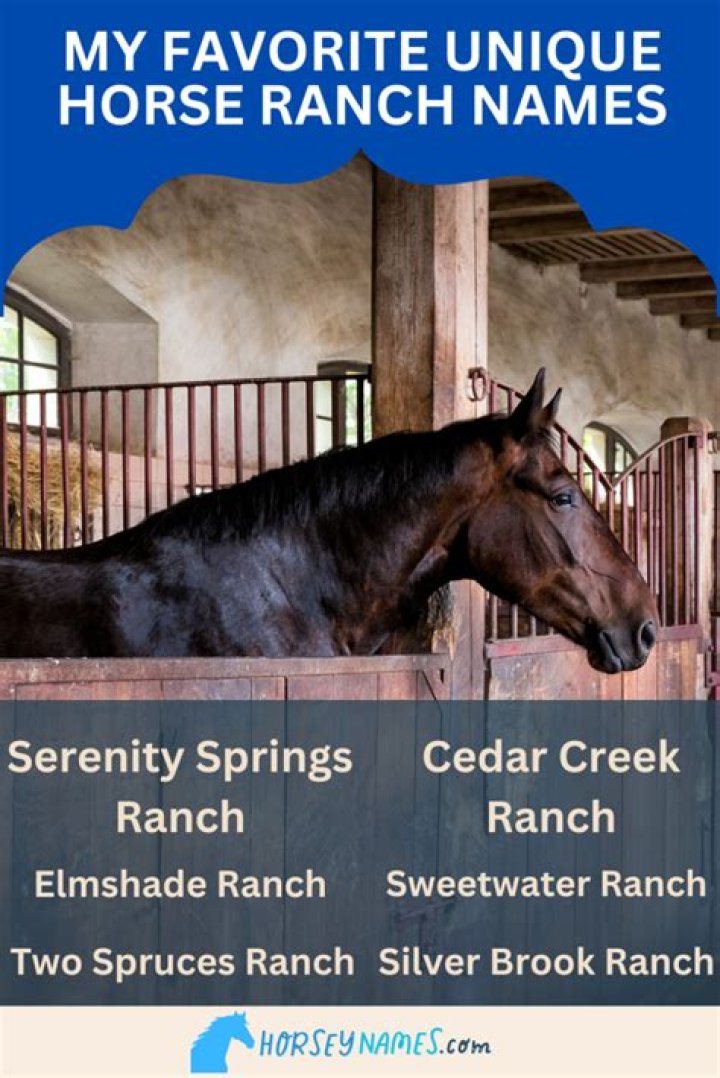
Cattle ranch names, also known as ranch brands, are symbols or monograms used to identify cattle and distinguish them from other herds.
Historically, cattle brands evolved from the need to mark ownership and prevent rustling. Over time, they have become a symbol of pride and tradition for ranchers and represent the unique identity of each ranch. Cattle ranch names are often passed down through generations, carrying with them a rich legacy and connection to the land. The design of a cattle ranch name typically reflects the ranch's history, geography, or the owner's personal preferences.
In practical terms, cattle ranch names serve several important purposes. They allow ranchers to easily identify their cattle when grazing on open ranges or during roundups. They also aid in tracking cattle movements, health records, and lineage. Additionally, cattle ranch names contribute to the overall aesthetic and ambiance of a ranch, adding a touch of character and individuality to the landscape.
Cattle Ranch Names
Cattle ranch names, also known as ranch brands, are symbols or monograms used to identify cattle and distinguish them from other herds. They have a rich history and cultural significance, and serve several important purposes for ranchers. Key aspects of cattle ranch names include:
- Identification: Cattle ranch names allow ranchers to easily identify their cattle when grazing on open ranges or during roundups.
- Ownership: Brands serve as a mark of ownership, preventing rustling and disputes over cattle.
- History: Ranch brands often reflect the history and heritage of the ranch, and may incorporate symbols or designs that represent the family or region.
- Tradition: Cattle ranch names are often passed down through generations, carrying with them a sense of pride and continuity.
- Legacy: Brands can become iconic symbols of a ranch, representing its reputation and quality.
- Marketing: Cattle ranch names can be used to promote the ranch and its products, such as beef or leather goods.
- Aesthetics: Brands can add a touch of character and individuality to a ranch, and contribute to its overall ambiance.
- Legal: In many jurisdictions, cattle brands are registered with the government and serve as a legal form of identification for cattle.
In conclusion, cattle ranch names are more than just symbols of ownership. They are steeped in history, tradition, and culture, and play a vital role in the management and identification of cattle. By exploring the various dimensions of cattle ranch names, we gain a deeper understanding of the rich heritage and practical significance of this unique aspect of ranching.
Identification
The ability to easily identify cattle is crucial for ranchers, especially when managing large herds on open ranges. Cattle ranch names serve as a visual cue that allows ranchers to quickly distinguish their animals from neighboring herds. This is particularly important in vast grazing areas where cattle may roam freely, or during roundups when multiple herds are gathered together.
In the absence of clear identification, it becomes difficult to track cattle movements, monitor their health, and maintain accurate records. Cattle ranch names provide a standardized system for identifying individual animals, simplifying management practices and ensuring the well-being of the herd. Furthermore, brands can help prevent disputes and rustling by providing clear ownership identification.
The importance of cattle ranch names for identification is evident in the legal frameworks of many jurisdictions. In the United States, for example, cattle brands are registered with state or federal authorities, creating a legal record of ownership and preventing unauthorized use. This legal recognition underscores the significance of cattle ranch names in safeguarding the rights of ranchers and protecting their livestock.
In conclusion, the identification function of cattle ranch names is a vital aspect of their overall significance. By enabling ranchers to easily identify their cattle, brands contribute to efficient herd management, prevent disputes, and support the legal protection of livestock.
Ownership
In the realm of cattle ranching, the concept of ownership is paramount. Cattle ranch names, or brands, play a pivotal role in establishing and safeguarding ownership rights, thereby preventing rustling and disputes over cattle.
Rustling, the illegal taking of cattle, has been a persistent challenge for ranchers throughout history. Without clear ownership identification, it becomes difficult to prove ownership and recover stolen cattle. Cattle ranch names serve as a powerful deterrent to rustlers, as they provide a visible and easily recognizable mark of ownership. Brands make it clear that the cattle belong to a specific ranch, reducing the likelihood of theft.
Furthermore, cattle ranch names facilitate the resolution of disputes over ownership. In cases where cattle stray or are accidentally mixed with other herds, brands provide a way to quickly and accurately identify the rightful owner. This helps to prevent conflicts and maintain harmonious relationships among ranchers.
The legal recognition of cattle ranch names further strengthens their role in protecting ownership. In many jurisdictions, brands are registered with government authorities, creating a public record of ownership. This legal framework provides ranchers with a strong legal basis to assert their ownership rights and seek legal recourse in cases of rustling or disputes.
In conclusion, the connection between cattle ranch names and ownership is crucial for the success and sustainability of ranching operations. By serving as a mark of ownership, preventing rustling, and facilitating the resolution of disputes, cattle ranch names play an indispensable role in safeguarding the rights of ranchers and protecting their valuable livestock.
History
The history of a ranch is often intertwined with the history of its cattle ranch name. Brands may incorporate symbols or designs that represent the family who founded the ranch, the region where it is located, or significant events in its past. For example, the Pitchfork Ranch in Texas is named after the pitchfork brand that was used by its founder, William Burgess, in the 1870s. The Pitchfork brand has become an iconic symbol of the ranch and its rich history in the cattle industry.
Another example is the Maltese Cross Ranch in New Mexico. The ranch was founded in the 1880s by John Chisum, a prominent cattleman who played a major role in the development of the cattle industry in the Southwest. The Maltese Cross brand was inspired by the Maltese Cross, a symbol of the Knights of Malta, a Catholic military order that Chisum admired. The Maltese Cross brand has become synonymous with the ranch and its legacy of producing high-quality cattle.
In addition to representing the history and heritage of a ranch, cattle ranch names can also have practical significance. For example, brands can be used to identify cattle that have strayed from the ranch or to track the movement of cattle herds. Brands can also be used to market the ranch and its products, such as beef or leather goods.
In conclusion, the connection between cattle ranch names and history is a deep and meaningful one. Brands are not just symbols of ownership; they are also repositories of history and tradition. They reflect the unique identity of each ranch and the people who have shaped its legacy.
Tradition
The tradition of passing down cattle ranch names through generations is an integral part of the culture and heritage of ranching. Cattle ranch names are more than just brands; they are symbols of family, history, and tradition. They represent the legacy of the ranchers who have worked the land for generations.
There are many reasons why ranchers choose to pass down their cattle ranch names. For some, it is a way to honor their ancestors and continue the family tradition. For others, it is a way to preserve the history of the ranch and its connection to the land. Whatever the reason, passing down a cattle ranch name is a way to ensure that the legacy of the ranch will continue for generations to come.
There are many practical benefits to passing down cattle ranch names. For example, it helps to maintain the continuity of the ranch operation. When a ranch name is passed down from generation to generation, it helps to ensure that the ranch remains a viable business. It also helps to maintain the ranch's reputation and goodwill.
In conclusion, the tradition of passing down cattle ranch names is an important part of the culture and heritage of ranching. Cattle ranch names are more than just brands; they are symbols of family, history, and tradition. They represent the legacy of the ranchers who have worked the land for generations.
Legacy
In the world of cattle ranching, brands are not just for identification; they are also powerful symbols of legacy, reputation, and quality. A well-established cattle ranch name can become an iconic symbol of the ranch, representing its long history, commitment to quality, and dedication to the craft of ranching.
- Prestige and Recognition: A prestigious cattle ranch name can open doors and create opportunities for its owners. Ranchers with iconic brands are often sought after by buyers and partners, as their reputation for quality precedes them. This recognition can lead to premium prices for their cattle and other ranch products.
- Marketing and Branding: A strong cattle ranch name can be a valuable marketing tool. Ranchers can use their brands to create a unique identity for their products, making them stand out in the marketplace. A well-designed and memorable brand can increase consumer recognition and loyalty.
- Trust and Reliability: Over time, cattle ranch names build a reputation for trust and reliability. Ranchers with iconic brands are known for their commitment to producing high-quality cattle and operating their ranches with integrity. This trust can translate into repeat business and long-term relationships with buyers.
- Historical Significance: Many cattle ranch names have a rich history and tradition. They may have been passed down through generations of ranchers, each adding their own chapter to the story of the ranch. These historical brands carry a sense of nostalgia and authenticity, which can resonate with consumers and create a connection to the land.
In conclusion, the legacy of a cattle ranch name is not to be underestimated. It is a symbol of the ranch's history, reputation, and quality. Ranchers who have carefully cultivated their brands over generations understand the value of this legacy and work hard to maintain its integrity. Cattle ranch names are more than just marks of ownership; they are enduring symbols of the ranching tradition.
Marketing
In the competitive world of ranching, marketing is essential for promoting the ranch and its products. Cattle ranch names play a significant role in marketing efforts, as they provide a recognizable and memorable brand identity.
A well-chosen cattle ranch name can create a positive impression on potential customers and differentiate the ranch from its competitors. It can convey the ranch's values, history, and commitment to quality. For example, the "Flying W Ranch" evokes images of the Wild West and suggests a sense of adventure and freedom. Such a name can resonate with consumers who value authentic and sustainably produced beef.
Cattle ranch names can be incorporated into logos, packaging, and other marketing materials to create a consistent brand image. This helps to build brand recognition and loyalty among consumers. Ranchers can also use their brands to promote their products at trade shows, rodeos, and other events.
In addition to promoting beef, cattle ranch names can also be used to market other ranch products, such as leather goods, wool, and dairy products. By creating a strong brand identity, ranchers can add value to their products and reach a wider market.
In conclusion, the connection between cattle ranch names and marketing is crucial for the success of modern ranching operations. A well-chosen and effectively marketed cattle ranch name can help to build brand recognition, differentiate products, and increase sales.
Aesthetics
The connection between cattle ranch names and aesthetics is undeniable. Brands are not just practical tools for identification and ownership; they can also play a vital role in shaping the overall ambiance and character of a ranch. A well-chosen and aesthetically pleasing cattle ranch name can add a touch of individuality and distinction to the property.
For example, a ranch with a name like "Lazy River Ranch" may evoke images of tranquil waters and lush meadows, creating a sense of serenity and relaxation. In contrast, a ranch with a name like "Stampede Ranch" might suggest a more rugged and energetic atmosphere, with visions of galloping horses and wide-open spaces. The name "Whispering Pines Ranch" could conjure up feelings of peace and tranquility, with tall pines swaying gently in the breeze.
Beyond their aesthetic appeal, cattle ranch names can also contribute to the practical functionality of the ranch. A well-designed brand can be easily visible from a distance, making it easier for visitors and employees to locate the ranch. Brands can also be used to mark equipment and other ranch property, adding a touch of personalization and preventing theft.
In conclusion, the connection between cattle ranch names and aesthetics is a multifaceted one. Brands can enhance the beauty and character of a ranch, contribute to its overall ambiance, and even serve practical purposes. By carefully considering the aesthetic qualities of a cattle ranch name, ranchers can create a unique and memorable brand that truly reflects the spirit of their operation.
Legal
The legal connection between cattle ranch names and government registration is a crucial aspect of the cattle industry in many jurisdictions. Cattle brands, often synonymous with cattle ranch names, are not merely symbols of ownership but also legally recognized forms of identification for cattle.
Registering cattle brands with the government provides several key benefits. Firstly, it establishes a formal and official record of ownership, reducing the risk of cattle theft and disputes over ownership. Each registered brand is unique to a specific ranch or individual, and any unauthorized use of the brand can have legal consequences.
Secondly, government registration creates a central database of cattle brands, which facilitates the tracking and management of cattle herds. In cases of stray or lost cattle, the registered brand allows authorities and other ranchers to quickly identify the owner and return the animals to their rightful place.
Furthermore, legal recognition of cattle brands supports the enforcement of laws related to cattle rustling and theft. Law enforcement agencies can use registered brands to identify stolen cattle and apprehend individuals involved in illegal activities. This legal framework helps protect the livelihoods of ranchers and ensures the integrity of the cattle industry.
In conclusion, the legal connection between cattle ranch names and government registration is a vital element of the cattle industry. It provides ranchers with a secure and verifiable means of identifying their cattle, reducing theft, facilitating herd management, and supporting law enforcement efforts. Understanding this legal aspect is essential for ranchers, policymakers, and anyone involved in the cattle industry to ensure the responsible and sustainable management of cattle.
FAQs on Cattle Ranch Names
Cattle ranch names, also known as ranch brands, are deeply ingrained in the history, culture, and legal framework of the cattle industry. Here are answers to some frequently asked questions about cattle ranch names:
Question 1: What is the significance of cattle ranch names?Cattle ranch names serve multiple purposes. They facilitate identification of cattle, establish ownership, prevent rustling, reflect the ranch's history and heritage, and contribute to the overall ambiance and brand identity of the ranch.
Question 2: How do cattle ranch names aid in identification?Cattle ranch names act as unique identifiers for cattle, allowing ranchers to easily distinguish their herds when grazing on open ranges or during roundups. Clear identification assists in tracking cattle movements, health records, and lineage.
Question 3: How do cattle ranch names establish ownership?Cattle ranch names are often registered with government authorities, creating a legal record of ownership. This registration helps prevent unauthorized use of the brand and serves as a deterrent to cattle rustling.
Question 4: How do cattle ranch names reflect the ranch's history and heritage?Many cattle ranch names have been passed down through generations, carrying with them the legacy of the ranch and the families who have operated it. These names may incorporate symbols or designs that represent the region, family history, or significant events in the ranch's past.
Question 5: How do cattle ranch names contribute to the ambiance and brand identity of the ranch?Cattle ranch names can add a touch of character and individuality to a ranch, conveying its values and creating a distinct atmosphere. A well-chosen name can enhance the ranch's aesthetic appeal and contribute to its overall brand identity.
Question 6: What is the legal significance of cattle ranch names?In many jurisdictions, cattle ranch names are registered with government agencies, serving as a legal form of identification for cattle. This registration supports the enforcement of laws related to cattle rustling and theft, protecting the livelihoods of ranchers and the integrity of the cattle industry.
In conclusion, cattle ranch names are not just monograms or symbols; they are multifaceted elements that play vital roles in the management, identification, ownership establishment, and cultural heritage of cattle ranches.
Transition to the next article section:
Tips for Choosing Cattle Ranch Names
Selecting a cattle ranch name is a thoughtful process that can shape the identity and legacy of your operation. Here are some tips to guide you in choosing a name that is both distinctive and meaningful:
Tip 1: Draw Inspiration from Your SurroundingsConsider the geographic features, history, or unique aspects of your ranch when selecting a name. This approach creates a connection between the name and the essence of your operation. For instance, if your ranch is nestled near a winding river, you might consider a name like "Lazy River Ranch."Tip 2: Incorporate Family History or Heritage
Your cattle ranch name can honor your family's legacy or pay homage to your cultural roots. Consider incorporating family names, significant dates, or symbols that hold personal meaning. By doing so, you create a name that is both unique and deeply connected to your family's history.Tip 3: Keep it Simple and Memorable
A concise and easily pronounced name is more likely to be remembered and recognized. Avoid using complex or overly long names that may be difficult for others to recall. Strive for a name that rolls off the tongue and leaves a lasting impression.Tip 4: Consider the Brandability and Marketing Potential
Your cattle ranch name should have marketing potential and be suitable for use on branding irons, signage, and other promotional materials. Consider how the name will look visually and whether it can be effectively incorporated into your overall brand identity.Tip 5: Research Availability and Legal Implications
Before finalizing a name, conduct thorough research to ensure it is not already in use by another ranch or trademark. Additionally, check with local and state authorities regarding any legal requirements or restrictions associated with using the name for your cattle operation.Tip 6: Seek Input from Others
Gather feedback from family members, friends, or trusted advisors on potential names. Their perspectives can provide valuable insights and help you make an informed decision that aligns with the vision for your ranch.
Following these tips will help you choose a cattle ranch name that is not only distinctive but also reflective of your operation's unique character and values. A well-chosen name will serve as a timeless symbol of your ranch, embodying its history, heritage, and aspirations.
Transition to the article's conclusion:
Conclusion
Throughout this exploration of cattle ranch names, we have uncovered their multifaceted significance that extends beyond mere identification. Cattle ranch names are deeply rooted in history, tradition, culture, and the legal framework of the ranching industry. They serve as symbols of ownership, preventing rustling and safeguarding the livelihoods of ranchers.
Cattle ranch names are not just monograms or brands; they are emblems of legacy, embodying the heritage and values of ranching families. They contribute to the ambiance and character of ranches, creating a unique identity that resonates with consumers. Moreover, the legal recognition of cattle ranch names supports the enforcement of laws, protecting the rights of ranchers and ensuring the integrity of the cattle industry.
Choosing a cattle ranch name is a thoughtful process that requires consideration of the ranch's surroundings, family history, and marketing potential. A well-chosen name becomes a timeless symbol, representing the essence and aspirations of the ranch. It serves as a beacon of identity, a testament to the dedication and hard work of ranchers, and a reminder of the enduring legacy of the cattle industry.
Unveiling The Secrets: Derrick Jaxn's Height And Weight, Decoded!
Discover The Enchanting Secrets Of Queen Nefertiti Tattoos
Unlock The Secrets: Dagen McDowell's Height And Weight Revealed